


From Nahori to Meir: Rabbi Meir’s Transformation from Light to Enlightener
He wasn’t born with the name Meir. The Gemara explains why he earned it — and what it reveals about his neshama.
Rabbi Akiva’s Students: Rabbi Meir’s Unique Role Among the Five Survivors
Among the five talmidim who rebuilt Torah after the death of 24,000 — what set Rabbi Meir apart.
The Teradion Family Tree: Strength and Faith Through Roman Persecution
Strength and faith through Roman persecution — the family that produced both martyrs and Torah giants.
Famous Converts to Judaism: Nero’s Legend and the Path from Destruction to Renewal
The Talmudic tradition that traces Rabbi Meir’s ancestry to the Roman emperor Nero — and what it teaches about destruction becoming renewal.
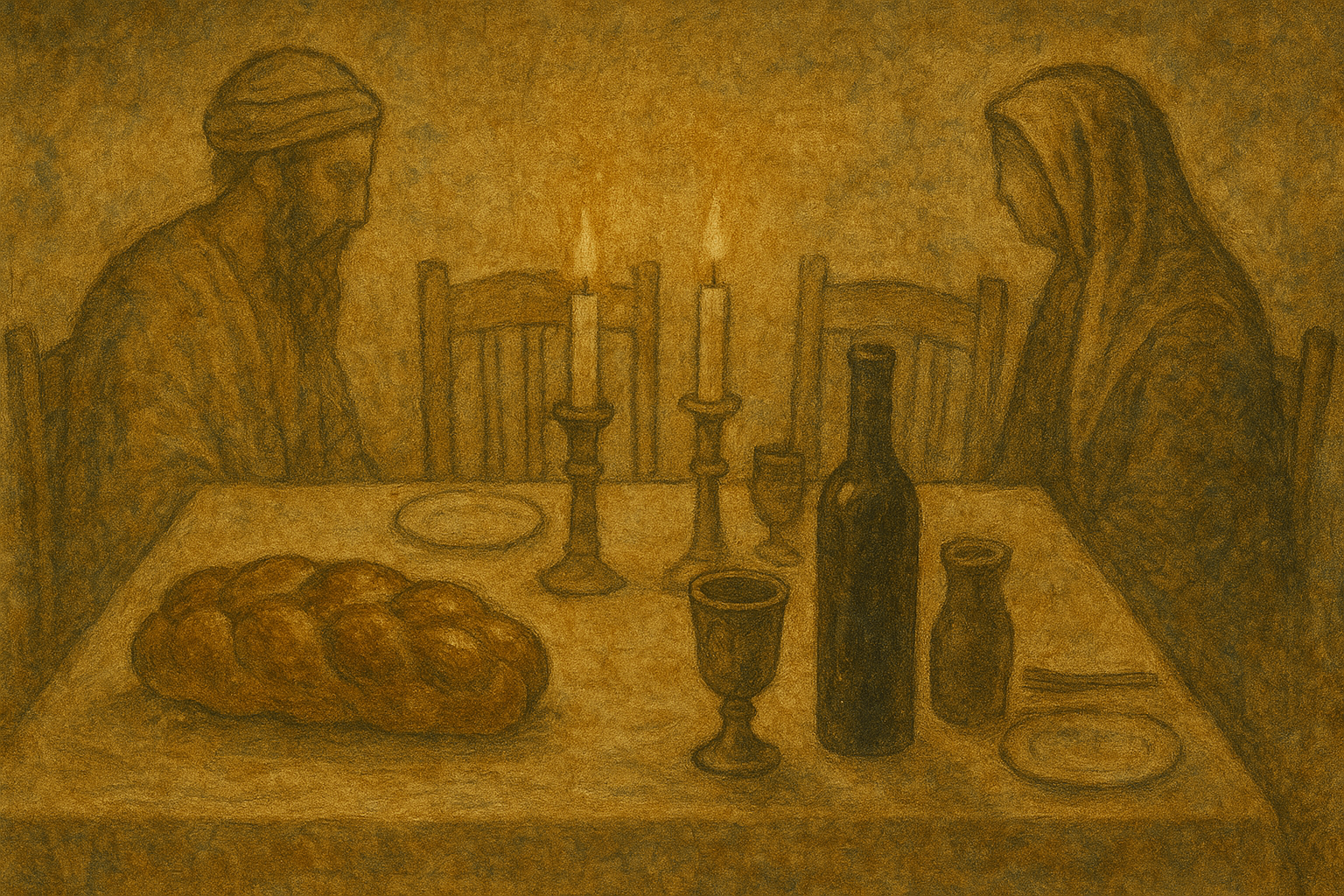
Rabbi Meir and Beruriah Story – RMBH
Rabbi Meir and Beruriah’s family — the children of two of the greatest Torah figures of their era.

The Wicked Neighbors: Transformative Prayer Based on Beruriah’s Wisdom
His economic life — and what his livelihood reveals about Torah values, dignity, and honest work.
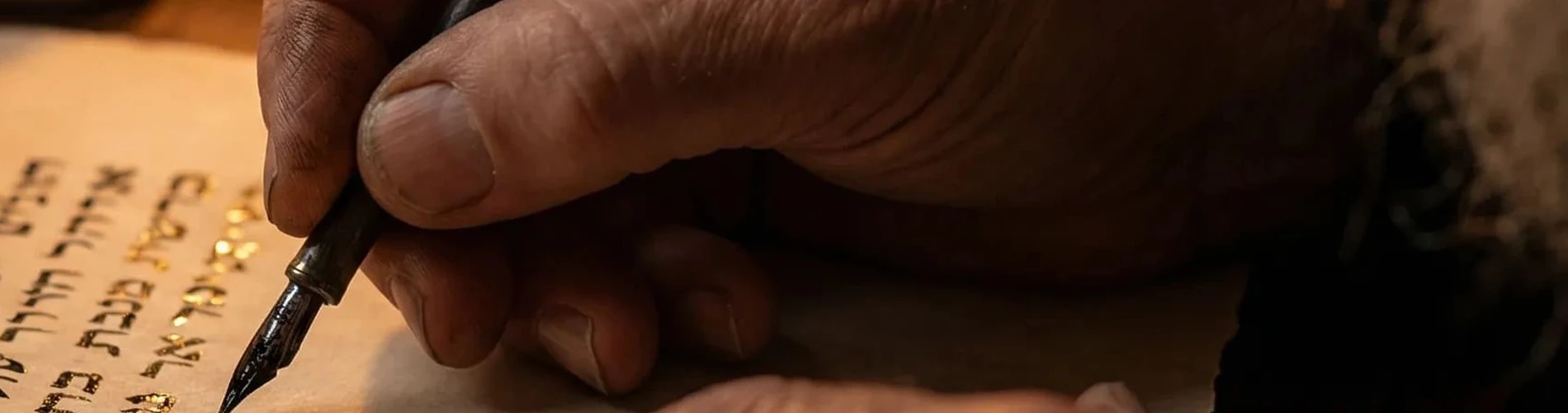
Rabbi Meir the Scribe: The Sacred Craft Behind the Sage
Learn how Rabbi Meir Baal Haness earned his living as a Torah scribe — and what his sacred craft reveals about the man behind one of history’s greatest Talmudic legacies.
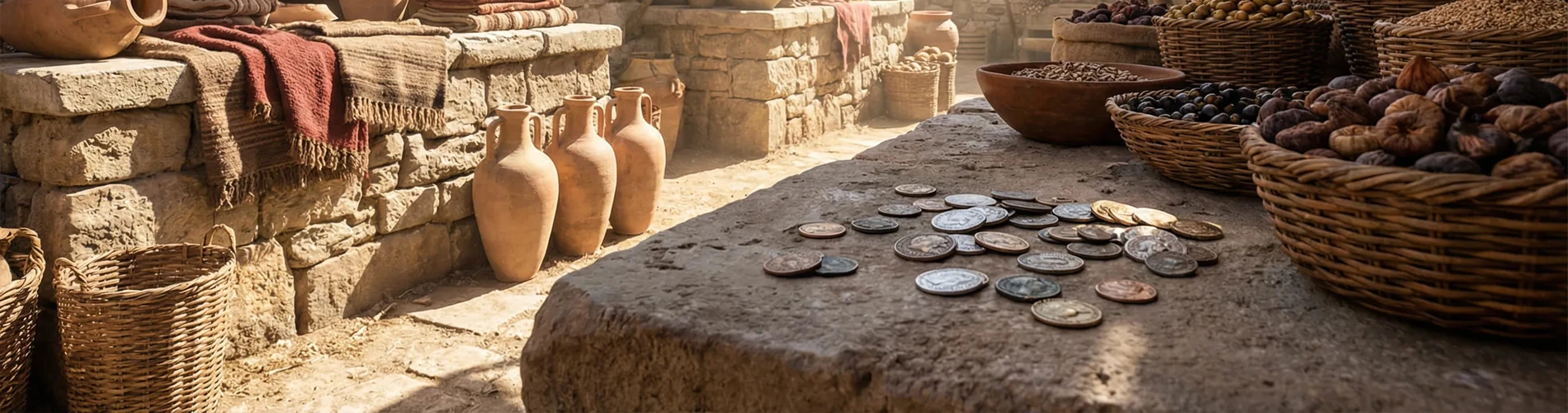
Rabbi Meir’s Economic Life
Rabbi Meir Baal Haness chose the profession of a sofer. Learn why this great Tanna balanced Torah scholarship with honest work and generous giving.
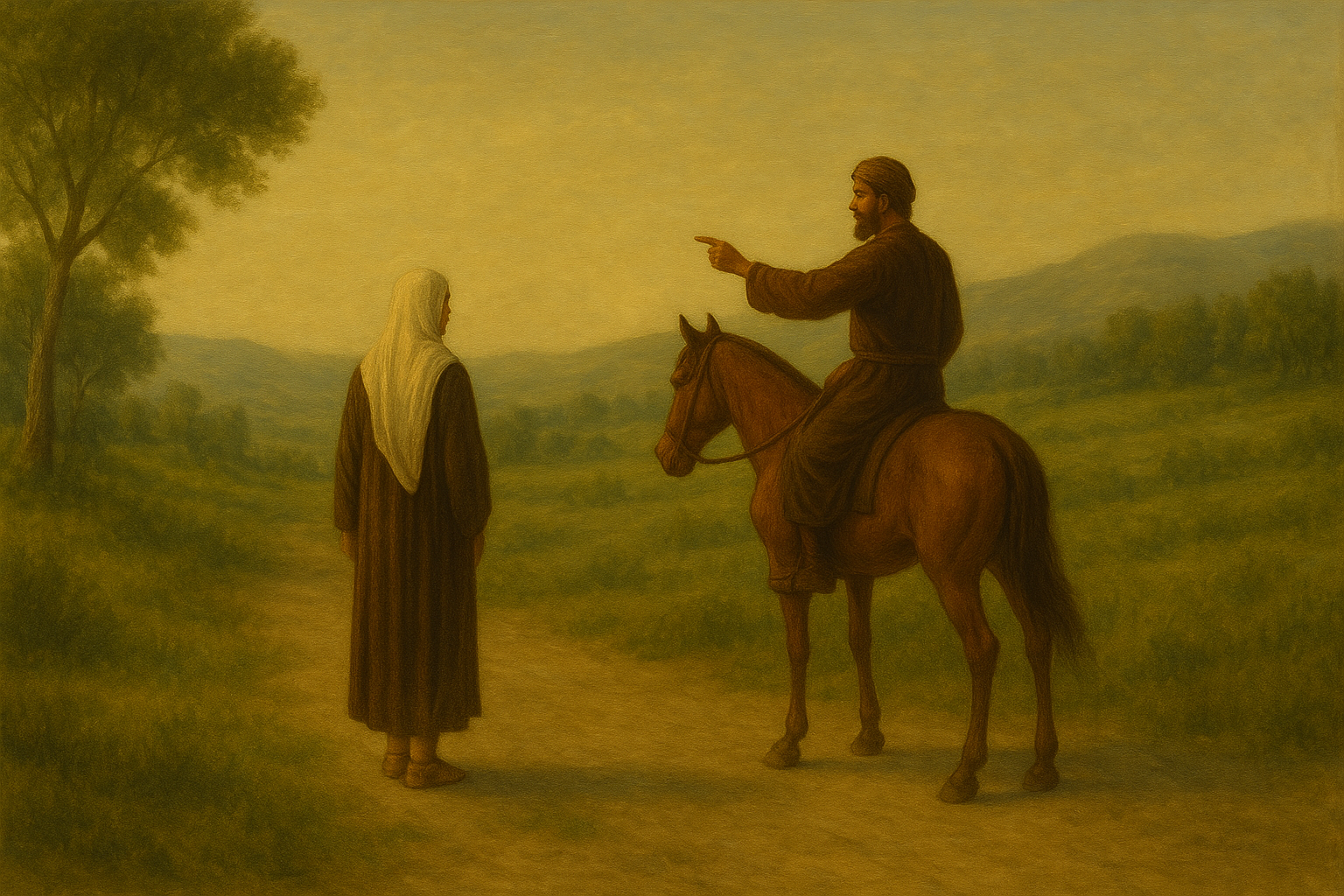
Teshuvah Meaning: Never Too Late to Repent – Acher’s Story
The Talmud’s account of whether Elisha ben Avuyah found his way back — and what it means for the rest of us.
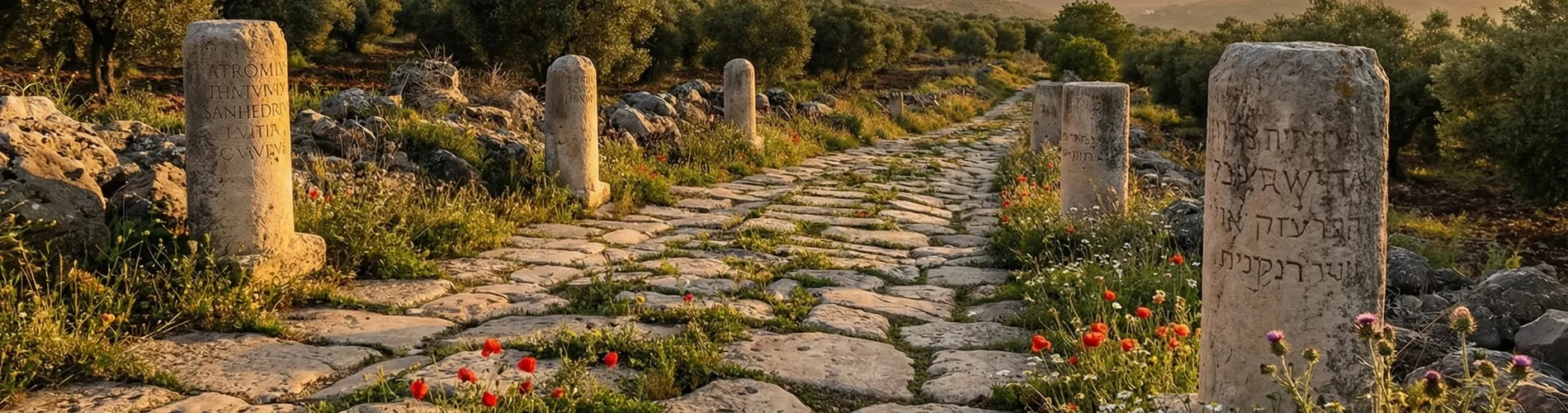
Tracing Rabbi Meir’s Sanhedrin Trail Through Ancient Israel
Walk the ancient path connecting Rabbi Meir Baal Haness to the Sanhedrin — and discover the history preserved in the land of Eretz Yisroel itself.
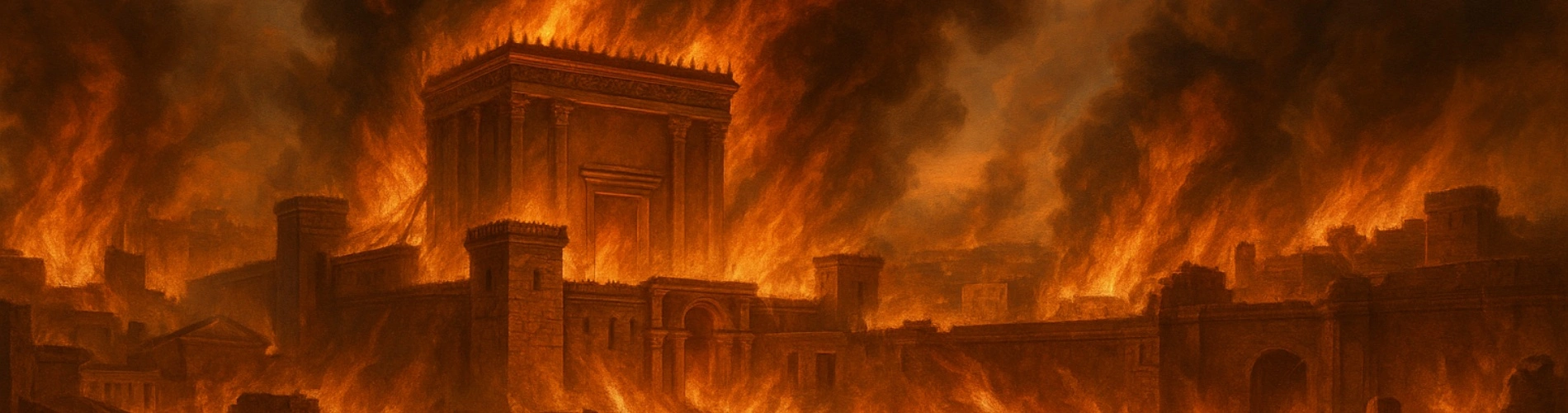
The Destruction of the Second Temple to the Mishnah: 150 Years That Shaped the Mesorah
Learn how the 70 CE destruction of the Second Temple led to 150 years of transformation culminating in the Mishnah (220 CE). Discover Rabbi Meir’s pivotal role.
Rabbi Meir’s Death: The Final Days and Eternal Legacy of the Great Tanna
How did Rabbi Meir Baal Haness pass away? Explore the Talmudic accounts of his final days, his burial in Tiberias, and the legacy he left for Klal Yisroel.