
Home » Rabbi Meir Baal Haness: Biography, Teachings & Legacy » Segulos & Miracles
Segulos & Miracles of Rabbi Meir Baal Haness
The Segulah of Rabbi Meir 4 articles
How Segulah Works: Understanding the Torah Source and Spiritual Power Behind Segulos
What is a segulah and how does it work according to Torah sources? Understand the spiritual mechanics behind segulos and their place in Jewish practice.
Rabbi Meir’s Promise: A Living Pledge in Our Mesorah
The tradition that Rabbi Meir pledged to intercede in Heaven for those who give tzedakah in his memory has inspired Jews for centuries. Learn the story.
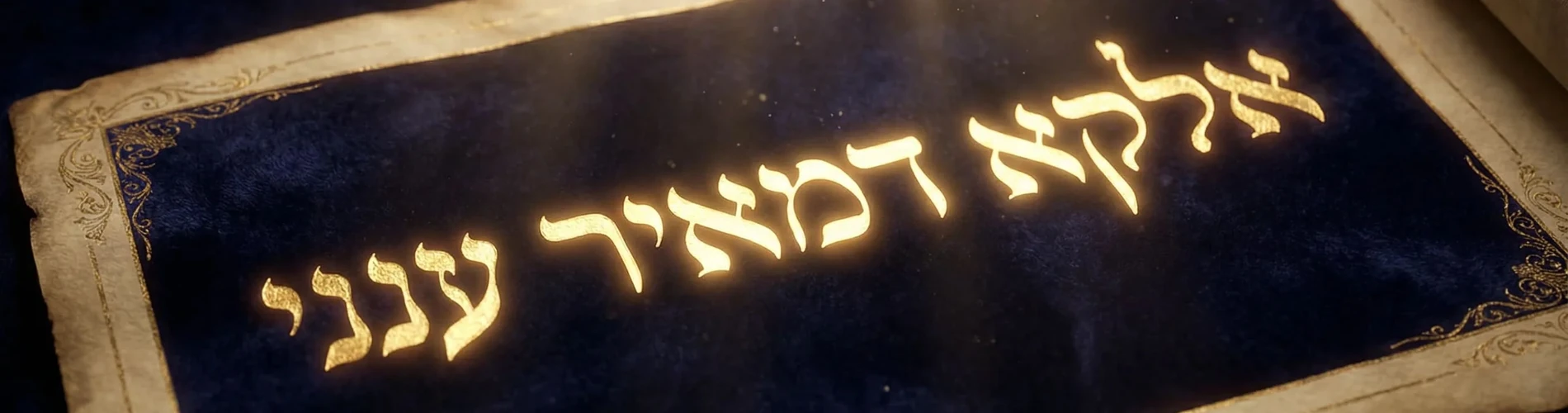
Eloka D’Meir Aneini: The Power and Meaning Behind This Sacred Tefillah
Learn the meaning, origin, and proper practice of saying Eloka d’Meir Aneini — the traditional prayer for recovering lost objects tied to Rabbi Meir.

Heavenly Advocacy: How Tzaddikim Intercede for Klal Yisroel Before the Kisei HaKavod
How do tzaddikim intercede in Heaven on our behalf? Explore the Torah sources for heavenly advocacy and the role of merit in Jewish prayer tradition.

Teshuvah, Names & Transformation 4 articles
Acher Redemption: Can Elisha Ben Avuyah’s Story Teach Us It’s Never Too Late?
Rabbi Meir never gave up on his teacher Elisha ben Avuyah (Acher). Learn how his unwavering faith in teshuvah led to his teacher’s ultimate redemption.
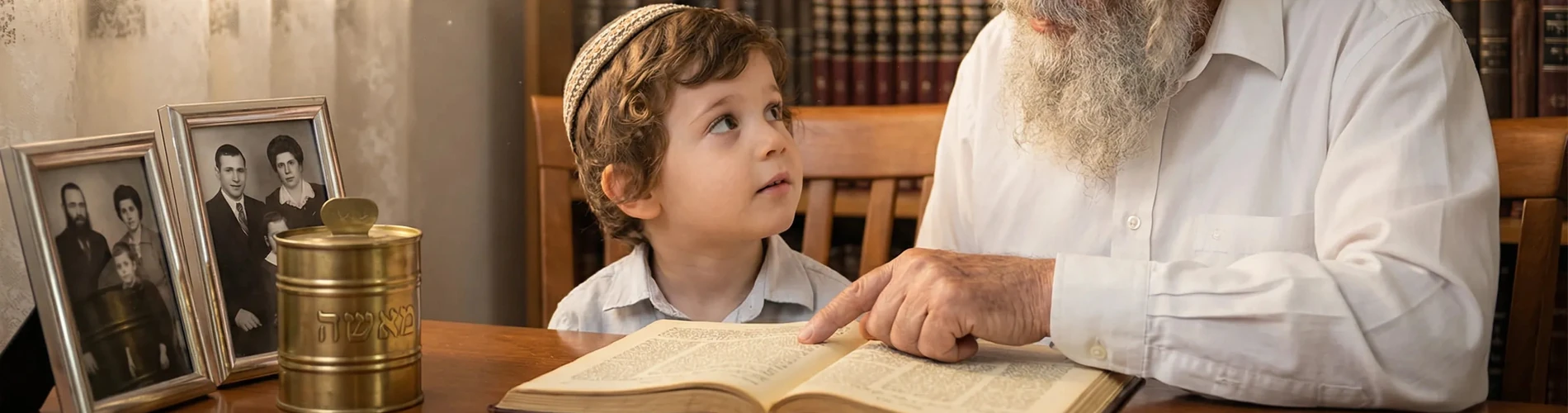
Jewish Names Meaning: The Sacred Power Behind Every Hebrew Name
Every Jewish name carries spiritual significance. Discover the Torah sources, minhagim, and deeper meanings behind common Hebrew and Yiddish names.

Second Chances in Judaism: How Teshuvah and Chesed Open Every Door
Judaism teaches that no one is beyond teshuvah. Explore how the Torah, Chazal, and the story of Rabbi Meir and Acher illuminate the path back.
Names in Kabbalah: The Sacred Power and Hidden Meaning Behind Jewish Names
In Jewish tradition, a name shapes a person’s essence. Explore what Kabbalah and Torah sources teach about the spiritual power hidden within Hebrew names.
Torah Insight
The Gemara (Avodah Zarah 18a–b) recounts how Rabbi Meir rescued his sister-in-law from Roman captivity and taught her guard to call out “Eloka d’Meir aneini” in a moment of danger. When that guard was later about to be executed, he invoked these same words and was miraculously saved. In light of this story, Rabbi Meir came to be known in later generations as “Baal Haness” — the master of miracles. The widespread custom of giving tzedakah while reciting this phrase, especially for finding lost objects and other yeshuos, developed from this narrative and was carried forward by many rabbanim and tzedakah funds as a segulah for Divine help in all areas of life.Understanding the Segulah Tradition
Why This Segulah Endures
The segulah of Rabbi Meir Baal Haness has endured for centuries in kehillot across the world because it rests on all three pillars — tzedakah, tefillah, and zechus tzaddikim. Gedolei Yisroel across generations have encouraged giving tzedakah and davening in Rabbi Meir’s merit, and well-known tzedakah funds bearing his name have served for over two centuries as frameworks for this practice.
Lost Objects & Beyond
The most well-known application of this segulah today is for finding lost objects — based on the theme of eyes being “opened” to see what is already present — but the tradition extends beyond that. Many Jews give tzedakah in Rabbi Meir’s merit and recite “Eloka d’Meir aneini” when seeking yeshuos for parnassah, shidduchim, refuah, and virtually every kind of challenge. The lost-object practice is often the entry point; the deeper avodah is using this segulah to turn back to Hashem with emunah in all areas of life.
The Name That Means Light
The Gemara teaches that Rabbi Meir’s original name was not Meir; rather, he was called that because he would “enlighten the eyes of the Sages in halacha” (Eruvin 13b). In many Torah and kabbalistic sources, a Hebrew name is not just a label — it reflects something of the neshama’s essence. The name Meir, meaning “one who illuminates,” thus beautifully captures his role: bringing light where there was darkness, and clarity where there was confusion in Torah.
Teshuvah & the Power to Return
Rabbi Meir never stopped relating to the Torah he had received from Elisha ben Avuyah. Even after Acher heard a bas kol saying “Return, wayward children — except for Acher” (Chagigah 15a), Rabbi Meir continued learning Torah from him, describing his approach as taking the fruit and discarding the peel. This reflects a profound hashkafic truth about teshuvah: Hashem always keeps the door of return open, and sincere desire to repent helps a person find that door again.
More About Rabbi Meir
Biography & Personal Journey
The full life story of Rabbi Meir Baal Haness.
Torah Teachings & Wisdom
The fox fables, “Acherim Omrim,” and the methodology that shaped the Mishnah.
Teachers & Students
Rabbi Akiva, Beruriah, and the talmidim who shaped Rabbi Meir and the Mishnah.
History & Evidence
Roman persecution, ancient Tiberias, and the manuscript and archaeological evidence that reflects the Talmudic accounts.
Legacy Through Time
How his influence shaped Jewish practice across two millennia.
About Rabbi Meir Baal Haness
Return to the main hub — biography, teachings, miracles, history, and legacy.
Invoke his merit
Give tzedakah in the merit of Rabbi Meir Baal Haness and say “Eloka D’Meir Aneini.”
Your donation supports needy families in Eretz Yisroel. Torah scholars will daven at Rebbe Meir’s holy kever on your behalf.