


Rabbi Meir’s Reasoning Was Too Deep: What the Gemara Means and Why It Matters
Learn why the Sages said Rabbi Meir’s reasoning was too deep to follow — and what this reveals about his extraordinary brilliance.

Dialectical Reasoning in the Talmud: How Machlokas L’Shem Shamayim Reveals Truth
Leading Without Recognition: The Torah Path of Humble Leadership
Discover how Rabbi Meir led his generation’s Torah scholarship yet was denied formal title — and why his anonymous teachings endure.
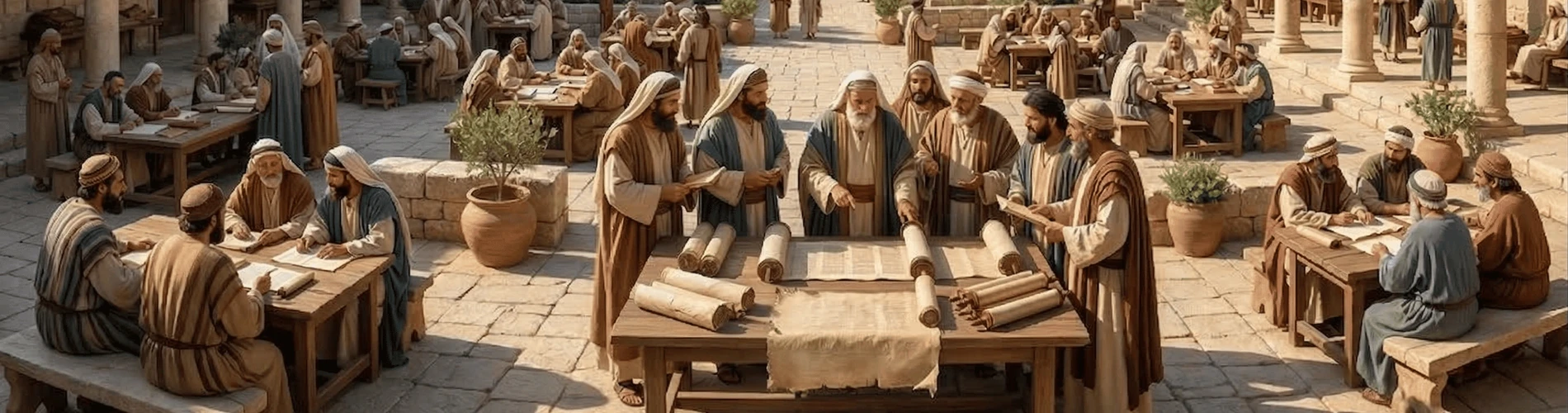
The Five Sages Who Rebuilt Judaism After the Devastation of Rabbi Akiva’s Students
Discover how five Tannaim, including Rabbi Meir Baal Haness, rebuilt Jewish life at Yavneh after the Temple’s destruction.
The Compilation of the Mishnah: How Our Oral Torah Was Preserved for All Generations
Explore Rabbi Meir’s pivotal contribution to the compilation of the Mishnah and how his rulings shaped Jewish law for generations.
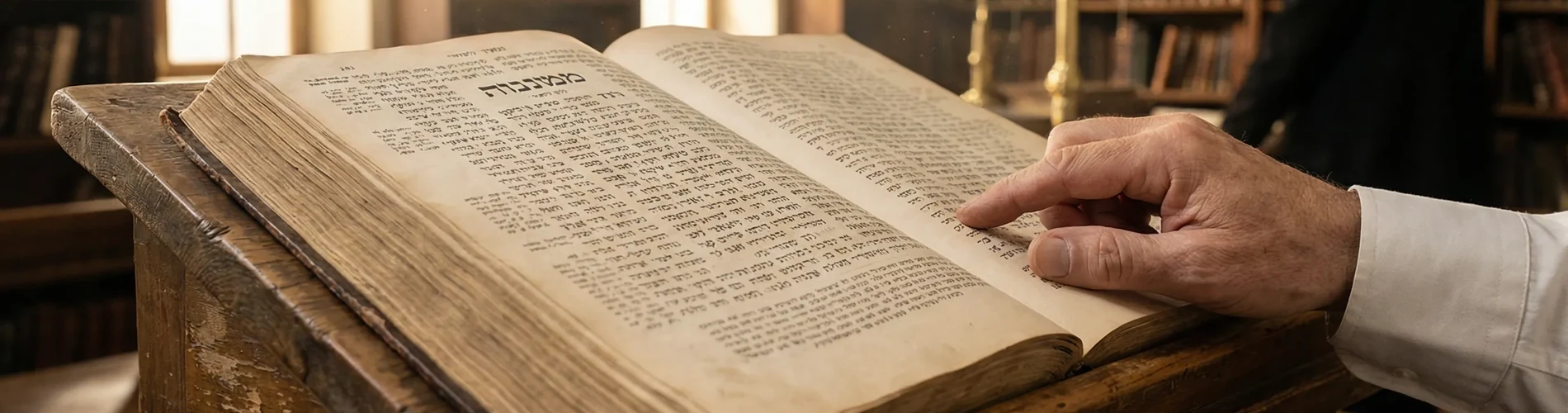
Rabbi Akiva and Rabbi Yishmael: Two Foundational Approaches to Learning Torah
Compare the Torah interpretation methods of Rabbi Akiva and Rabbi Ishmael and their lasting influence on Rabbi Meir’s legal reasoning.

Why Were Rabbi Meir’s Rulings Rejected? Understanding the Gemara’s Extraordinary Decision
Understand why many of Rabbi Meir’s halachic rulings were set aside — and how they still shaped the Mishnah we study today.

The Beraitot of Rabbi Meir: The Hidden Torah That Shaped the Mishnah
Explore the beraitot attributed to Rabbi Meir — teachings excluded from the Mishnah yet carefully preserved in Talmudic literature.
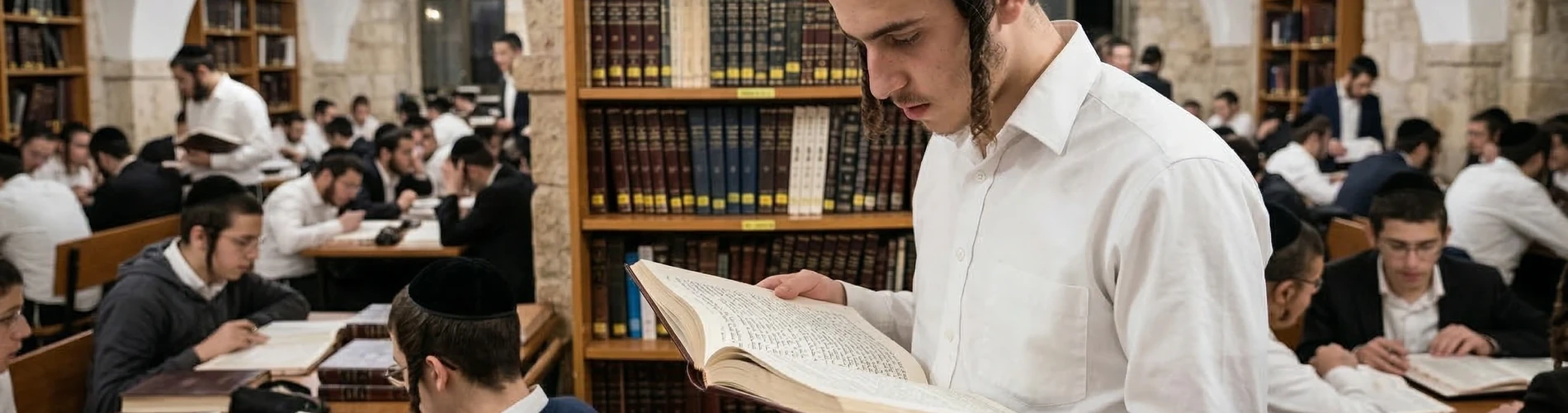
Mishnah Linguistics: The Sacred Language That Preserves Our Mesorah
Discover how Rabbi Meir’s precise Hebrew shaped the distinctive linguistic style of the Mishnah as we know it today.
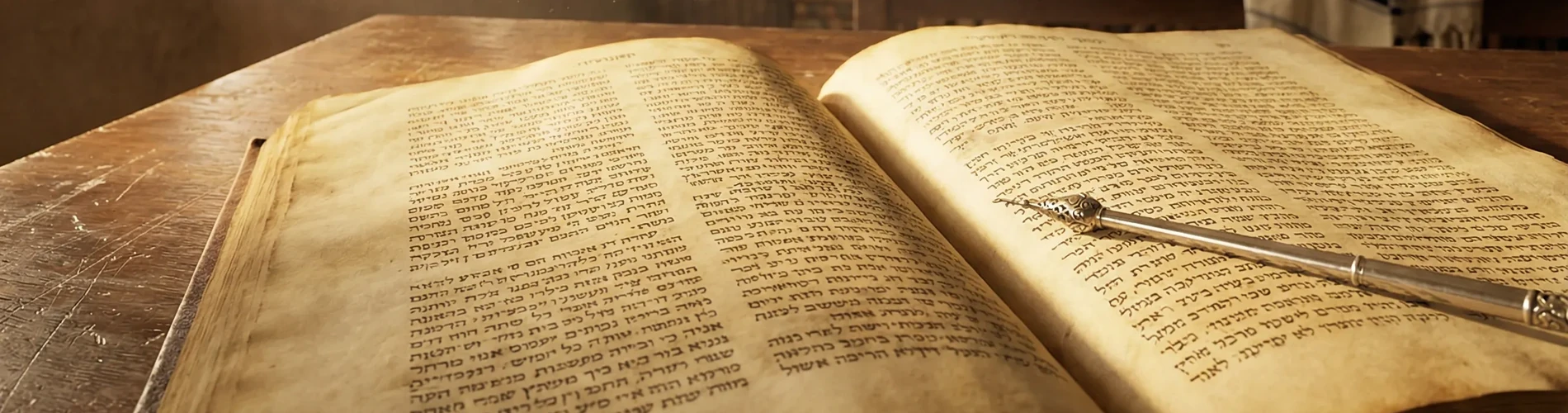
Tosefta: The Essential Companion to the Mishnah That Enriches Our Mesorah
Learn what the Tosefta is, how it relates to the Mishnah, and the role of Rabbi Meir’s teachings within this ancient halachic collection.
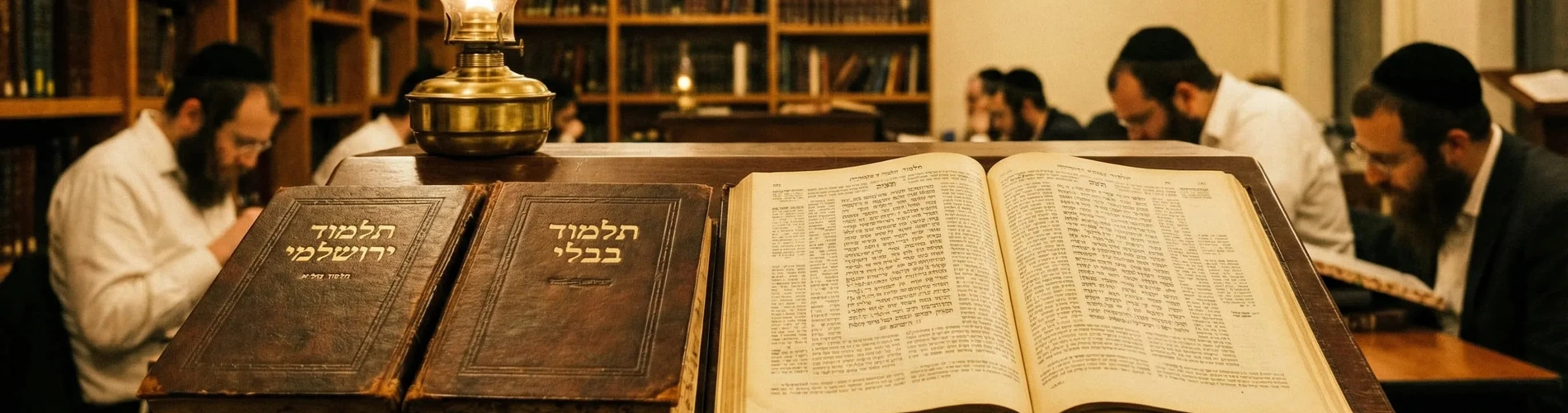
Yerushalmi and Bavli: Understanding the Two Talmuds and Their Enduring Legacy
Understand the differences between the Jerusalem Talmud and Babylonian Talmud and how Rabbi Meir’s teachings appear in both traditions.

The Midrash Of Rabbi Meir: Uncovering The Teachings That Shaped Our Mesorah
Explore the midrashim attributed to Rabbi Meir Baal Haness — parables, moral teachings, and Torah insights that have endured for centuries.
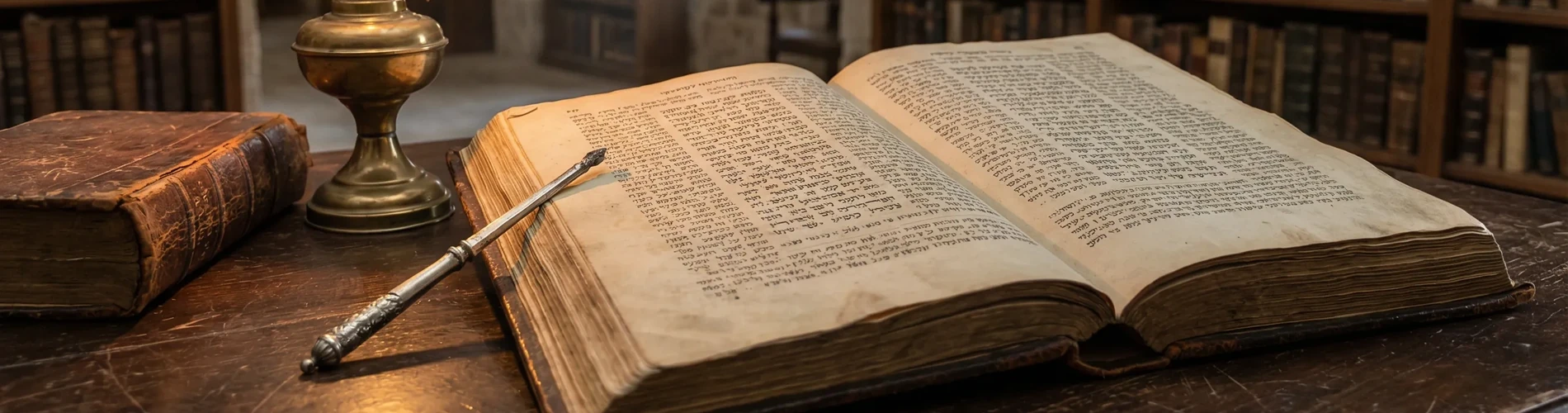
Sifra and Sifrei: The Halachic Midrashim That Shaped Our Mesorah
Discover Sifra and Sifrei, the halachic midrashim on Vayikra and Devarim, and their connection to Rabbi Meir’s school of Torah thought.